
McCluskieganj: The Forgotten Anglo-Indian Homeland That Became India’s Lost ‘Little England’
By Koylanchal Tourism Desk
Nestled amidst the lush forests, rolling hills, and tranquil landscapes of Jharkhand lies a town unlike any other in India. Unlike the bustling tribal settlements or ancient temple towns that define much of the state’s cultural landscape, McCluskieganj tells the remarkable story of a community searching for identity, belonging, and a place to call home.
Often referred to as “Little England of Jharkhand,” McCluskieganj was established during the 1930s as India’s first planned settlement exclusively for the Anglo-Indian community. It was envisioned as a paradise where Anglo-Indians—people of mixed Indian and European ancestry—could finally live without discrimination, preserving their unique culture and traditions.
For a brief period, the dream flourished. Elegant colonial bungalows lined tree-covered roads, churches echoed with hymns, Christmas dances became legendary, and families enjoyed a peaceful lifestyle surrounded by orchards, rivers, and forests. But history had different plans.
Today, McCluskieganj stands as one of India’s most fascinating forgotten heritage towns. Though much of its original Anglo-Indian population has migrated abroad or to larger cities, the town continues to captivate travelers, historians, filmmakers, and architecture enthusiasts seeking a glimpse into a unique chapter of Indian history.
Where is McCluskieganj Located?
McCluskieganj is located in Khelari Block of Ranchi district, approximately 65 kilometres northwest of Ranchi, the capital of Jharkhand.
The town sits atop the picturesque Chota Nagpur Plateau, surrounded by dense forests, seasonal streams, rocky hills, and tribal villages. One of its defining natural features is the Dugadugi River, whose crystal-clear waters once nourished the orchards and farms that sustained the settlement.
Unlike many crowded tourist destinations, McCluskieganj offers visitors peaceful countryside landscapes where colonial heritage blends harmoniously with the natural beauty of Jharkhand.
The Dream of a Homeland
To understand McCluskieganj, one must first understand the Anglo-Indian community.
During British rule, Anglo-Indians occupied a unique but often uncomfortable position in Indian society. Descendants of European fathers and Indian mothers, they frequently found themselves caught between two worlds. The British administration seldom treated them as equals, while many Indians viewed them as outsiders because of their Western lifestyle, English language, and Christian faith.
As India moved toward independence, concerns grew within the community about preserving their identity.
It was during this period that an extraordinary vision emerged.
Ernest Timothy McCluskie: The Man Behind the Dream
The founder of McCluskieganj was Ernest Timothy McCluskie, an Anglo-Indian businessman and social leader from Calcutta.
In 1933, he established the Colonisation Society of India, a cooperative organisation dedicated to creating a permanent homeland for Anglo-Indians.
McCluskie believed that instead of remaining scattered across British India, Anglo-Indians should establish their own self-sufficient settlement where they could preserve their traditions while contributing to independent India’s future.
To realize this dream, McCluskie negotiated with the Maharaja of Ratu, who agreed to lease approximately 10,000 acres of land across nine villages on the Chota Nagpur Plateau.
The land became the foundation of what would soon be known as McCluskieganj.
Building India’s Anglo-Indian Paradise
McCluskie launched an ambitious campaign across India.
Through advertisements published in the Colonisation Observer, he invited nearly 200,000 Anglo-Indians to invest in shares that would provide them plots within the proposed settlement.
One memorable advertisement proclaimed:
“No longer can it be said that we wander in a strange land.”
The response exceeded expectations.
Within a decade, nearly 400 Anglo-Indian families had settled in McCluskieganj, transforming the remote plateau into a vibrant community.
Life Inside Little England
During its golden years, McCluskieganj resembled an English countryside town transplanted into rural India.
Beautiful colonial bungalows with sloping roofs, fireplaces, and spacious verandas lined quiet roads shaded by large trees.
Homes featured:
- Flower gardens
- Orchards
- Bougainvillea-covered entrances
- Stone pathways
- Wooden interiors
- European furniture
Families such as the Kearneys, Stewarts, Barretts, Merediths, Hourigans, and Potters became prominent residents.
Life revolved around community gatherings, church services, sports, music, and social clubs.
A Rich Social Life
The social calendar of McCluskieganj was legendary.
Christmas celebrations lasted for days.
New Year’s Eve dances attracted visitors from nearby towns.
Residents enjoyed:
- Ballroom dancing
- Choir performances
- Community picnics
- Horse riding
- Hunting expeditions
- Music evenings
- Amateur theatre
Pianos filled drawing rooms while gramophones played jazz, swing, and classical European music.
The town quickly earned a reputation as one of eastern India’s most elegant settlements.
Institutions That Built a Community
McCluskieganj was not merely a residential colony.
Its residents built an impressive civic infrastructure including:
- Churches
- Schools
- Clubs
- Bakeries
- A post office
- Cemetery
- Abattoir
- Community halls
- Sports grounds
Education became central to community life, while churches served not only religious purposes but also cultural and social functions.
Colonial Architecture That Still Survives
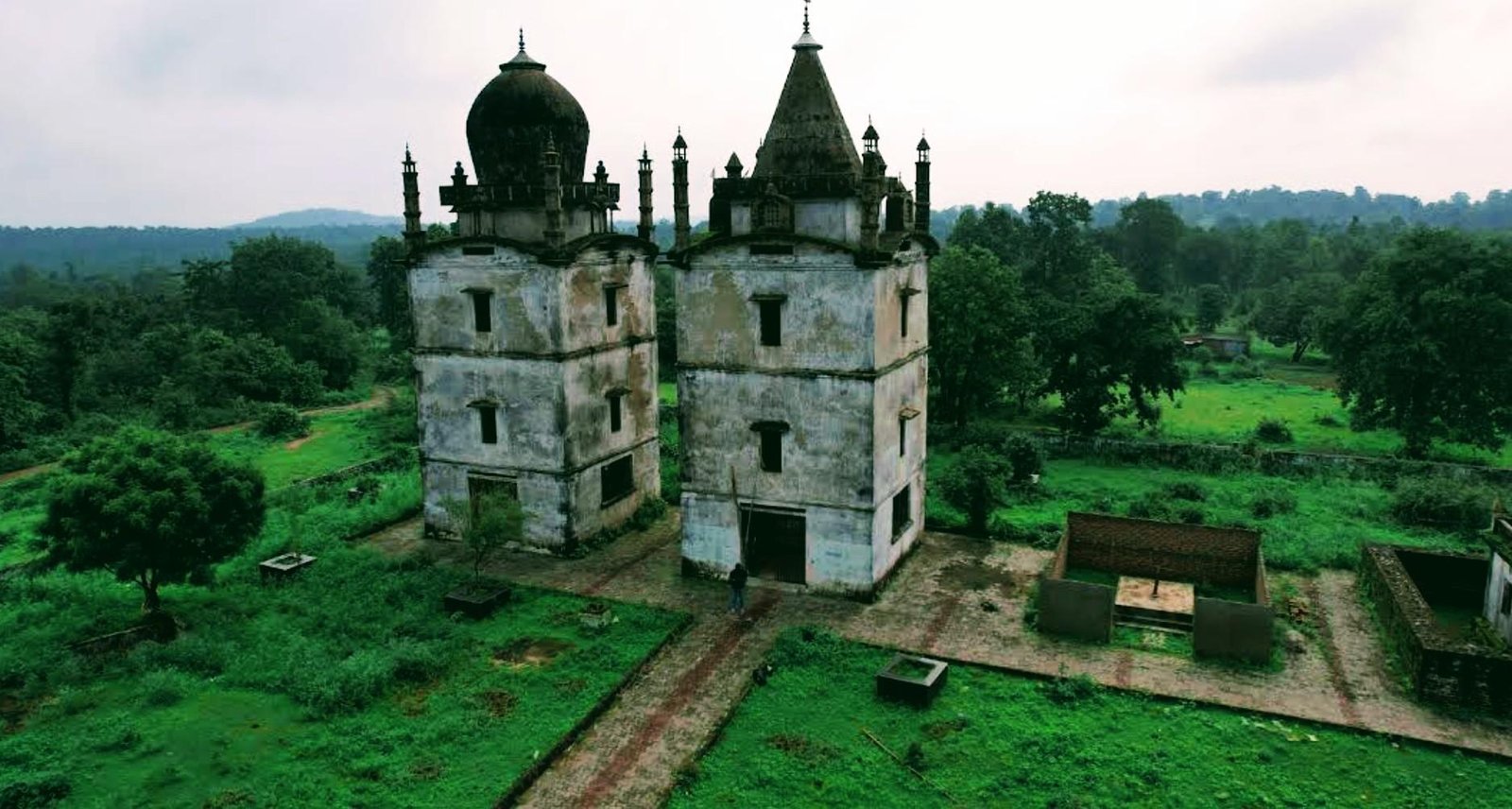
Even today, McCluskieganj’s colonial architecture remains one of its biggest attractions.
The surviving bungalows showcase:
- Sloping tiled roofs
- Long verandas
- Fireplaces
- Wooden staircases
- Large windows
- Brick chimneys
- Stone foundations
Many have been restored into heritage homestays, while others continue to decay silently beneath thick vegetation.
Walking through these quiet lanes feels like stepping back into the 1940s.
Why McCluskieganj Began to Decline
Despite its early promise, cracks gradually appeared.
The biggest challenge was economic survival.
Unlike many Indian communities experienced in agriculture, most Anglo-Indians came from urban professions such as:
- Railway services
- Telegraph departments
- Government administration
- Teaching
- Clerical work
Farming—the intended economic backbone of McCluskieganj—was unfamiliar to many residents.
Without industries or employment opportunities, younger generations sought better futures elsewhere.
Independence Changed Everything
Following India’s Independence in 1947, migration accelerated.
Many Anglo-Indians emigrated to:
- Australia
- Canada
- United Kingdom
- New Zealand
Others relocated to metropolitan cities including:
- Kolkata
- Bengaluru
- Chennai
- Mumbai
- Delhi
As families departed, homes were abandoned.
Schools closed.
Social clubs became silent.
The once-vibrant town slowly faded.
From 400 Families to Fewer Than 20
By the late 1970s, fewer than 30 Anglo-Indian families remained.
Today, estimates suggest fewer than 20 families continue living in McCluskieganj.
Yet many descendants still visit annually, particularly during Christmas, when reunions briefly revive memories of the town’s glorious past.
Interesting Reads
McCluskieganj Today
Modern McCluskieganj has found a new identity.
Several heritage bungalows now operate as:
- Guest houses
- Heritage homestays
- Student hostels
- Retreat centres
- Film shooting locations
Educational institutions have brought renewed activity to the area.
The peaceful environment also attracts writers, photographers, artists, and weekend travelers seeking an escape from city life.
A Cultural Blend Unlike Anywhere Else
One of McCluskieganj’s most remarkable features is its cultural harmony.
Today the town represents a blend of:
- Anglo-Indian heritage
- Tribal traditions
- Christian festivals
- Local Jharkhand culture
- Colonial architecture
Visitors can experience Christmas celebrations alongside tribal festivals, reflecting the town’s evolving identity.
Tourism Potential
McCluskieganj has immense potential for heritage tourism.
Visitors can explore:
- Colonial-era bungalows
- Historic churches
- Forest trails
- Dugadugi River
- Tribal villages
- Heritage cemeteries
- Local cafés
- Scenic viewpoints
Nearby attractions around Ranchi further enhance the travel experience.
Government and Conservation Efforts
The Government of Jharkhand has increasingly recognized McCluskieganj as an important heritage destination.
Various initiatives have focused on:
- Heritage tourism promotion
- Infrastructure improvements
- Road connectivity
- Eco-tourism development
- Preservation of colonial architecture
Several private owners have also restored heritage homes into accommodations that preserve the original architectural character.
The charm of McCluskieganj extends far beyond its quiet streets and colonial-era bungalows. Over the years, the town has inspired writers, filmmakers, photographers, and historians who have sought to capture its nostalgic beauty and unique cultural identity.
Perhaps the most famous literary work associated with the town is Buddhadeb Guha’s Bengali novel Sobinoy Nibedan, which introduced generations of readers to the enchanting atmosphere of McCluskieganj. The novel painted vivid images of its forests, old colonial homes, Anglo-Indian families, and peaceful surroundings, transforming the town into an almost mythical destination for literature lovers.
Filmmakers have also found McCluskieganj to be an ideal location because of its untouched colonial character. The town’s quiet roads, vintage bungalows, churches, railway station, and forest landscapes have served as backdrops for several films, documentaries, television serials, and independent productions. Unlike many tourist destinations that have undergone rapid commercialization, McCluskieganj still retains much of its original charm, making it an attractive destination for visual storytelling.
Photographers often describe the town as one of India’s most photogenic hidden heritage destinations, where every abandoned bungalow tells a story of migration, memory, and changing times.
Why McCluskieganj Matters Today
McCluskieganj represents far more than abandoned colonial buildings.
It symbolizes:
- Identity
- Migration
- Cultural coexistence
- Community resilience
- India’s multicultural history
It remains one of the few places in the country where visitors can witness the legacy of the Anglo-Indian community preserved within a rural Indian landscape.
Best Time to Visit
The ideal months are:
- October
- November
- December
- January
- February
Christmas and New Year remain the most vibrant periods, when returning Anglo-Indian families bring the town alive with celebrations, music, and community gatherings.
Nearby Attractions
Visitors can combine McCluskieganj with:
- Ranchi
- Patratu Valley
- Dassam Falls
- Jonha Falls
- Hundru Falls
- Rock Garden
- Tagore Hill
- Ratu Fort
Conclusion
McCluskieganj is one of India’s most extraordinary forgotten heritage towns—a place born from hope, shaped by community, and transformed by history. Though its dream of becoming a permanent Anglo-Indian homeland faded over time, the town continues to preserve a remarkable legacy through its architecture, culture, and stories.
Walking through its quiet lanes, visitors can still imagine the lively Christmas balls, the melodies of pianos drifting from colonial bungalows, and families gathering on verandas overlooking the forests of the Chota Nagpur Plateau.
Today, McCluskieganj offers something increasingly rare: authenticity. It is not just a destination but a living reminder of India’s diverse cultural fabric, where Anglo-Indian heritage and Jharkhand’s natural beauty exist side by side.
For travelers seeking history beyond monuments and culture beyond textbooks, McCluskieganj remains one of Jharkhand’s most compelling hidden gems—waiting to be rediscovered.
