
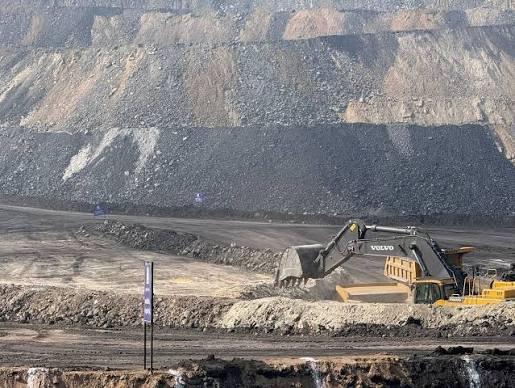
Latehar’s Coal Mining Expansion Gains Momentum: Tubed Coal Mine and North Dhadu Projects Set to Transform Jharkhand’s Economy
Latehar district in Jharkhand is rapidly emerging as one of India’s most strategically important coal-producing regions. Backed by abundant coal reserves within the North Karanpura Coalfield, the district is witnessing renewed momentum in mining activities through major projects such as the Tubed Coal Mine and the North Dhadu Coal Project. These projects are expected to attract significant investment, strengthen India’s energy security, generate employment, and accelerate infrastructure development across the region.
As India continues balancing its growing energy demand with the transition towards cleaner energy sources, coal remains a critical pillar of electricity generation. The expansion of mining projects in Latehar reflects the government’s broader strategy of improving domestic coal production while reducing dependence on imports.
Latehar: A Strategic Coal Hub
Latehar lies within the resource-rich North Karanpura Coalfield, one of India’s largest coal-bearing regions. The district already hosts several operational and proposed coal mines, making it a key contributor to Jharkhand’s mining economy.
The region benefits from:
- Vast reserves of high-grade thermal coal
- Existing railway connectivity
- Growing industrial infrastructure
- Proximity to major thermal power plants
- Presence of leading public and private mining companies
With multiple projects entering different stages of development, Latehar is steadily transforming into an important energy corridor for eastern India.
Tubed Coal Mine Progresses Towards Full-Scale Development
Among the most anticipated projects is the Tubed Coal Mine, promoted by the Damodar Valley Corporation (DVC). The mine has progressed through planning, statutory approvals, and implementation phases, with project activities continuing in recent years. Official project records classify it as being under implementation with a “Notice to Proceed” status.
The Tubed project is designed as an opencast mine with an annual production capacity of approximately 6 million tonnes (6 MTPA) and an estimated operational life of around 30 years. The mine forms part of DVC’s strategy to ensure long-term fuel security for its thermal power stations.
Recent operational updates indicate that DVC has already recorded strong production from the Tubed captive mine, highlighting its growing role in supporting energy generation.
North Dhadu Coal Project Attracts Fresh Investment
Another significant development is the North Dhadu Coal Project, located within the same coal-bearing belt. Different sections of the North Dhadu block are under development through commercial coal mining initiatives.
The North Dhadu (Western Part) coal block was successfully awarded through the Ministry of Coal’s commercial auction programme, demonstrating continued investor confidence in Latehar’s coal reserves.
The North Dhadu (Eastern Part) proposal also remains part of the broader mining development plans for the region, with project planning and regulatory processes continuing as India expands commercial coal production.
The government’s commercial coal mining policy has opened opportunities for greater private sector participation, encouraging investment in modern mining technology and operational efficiency.
Economic Benefits Expected for Latehar
The expansion of these mining projects is expected to generate significant economic activity across Latehar district.
Employment Opportunities
Coal mining projects typically create employment across several categories:
- Mining engineers
- Geologists
- Machine operators
- Heavy equipment technicians
- Surveyors
- Safety personnel
- Environmental professionals
- Contract workers
- Security staff
- Transport operators
Beyond direct jobs, thousands of indirect employment opportunities are expected in logistics, hospitality, retail, maintenance services, construction, and local businesses.
For many villages around Chandwa and neighbouring regions, these projects may provide new livelihood opportunities while boosting household incomes.
Infrastructure Development to Receive a Major Boost
Large-scale mining projects often require substantial infrastructure investments before production begins.
Development associated with the Tubed and North Dhadu projects includes:
- Coal transportation corridors
- Railway sidings
- Internal haul roads
- Power supply infrastructure
- Water management systems
- Workshops
- Administrative buildings
- Equipment maintenance facilities
Government documents also indicate plans involving rail-road connectivity for efficient coal transportation from mines to railway networks, reducing logistical bottlenecks.
Improved infrastructure may also benefit surrounding communities by enhancing road connectivity and supporting broader regional development.
Supporting India’s Energy Security
India continues to rely heavily on coal for electricity generation, with thermal power contributing a substantial share of the country’s power supply.
Projects like Tubed are specifically intended to provide captive coal supplies for thermal power generation, reducing dependence on imported coal and strengthening long-term energy security.
Increasing domestic production also aligns with national efforts to improve energy self-reliance while ensuring uninterrupted fuel availability for industries and households.
Coal Mining Driving Regional Economic Growth
The expansion of coal mining projects in Latehar is expected to have a multiplier effect on the local economy. Large-scale mining operations require a robust ecosystem of supporting industries, including transportation, construction, engineering services, equipment maintenance, logistics, and hospitality. As mining activities expand, demand for these ancillary services is likely to increase, creating new business opportunities for local entrepreneurs and small and medium enterprises (SMEs).
The influx of investment may also encourage the development of commercial establishments, banking services, educational institutions, healthcare facilities, and residential infrastructure around mining areas. This integrated growth can improve the overall standard of living for communities while contributing to the district’s economic development.
Skill Development and Employment Opportunities
Modern coal mining relies heavily on technology and skilled manpower. As these projects move towards operational stages, there will be increasing demand for trained professionals in various fields.
Potential employment opportunities include:
- Mining Engineers
- Civil Engineers
- Mechanical Engineers
- Electrical Engineers
- Geologists
- Surveyors
- Environmental Scientists
- Safety Officers
- Heavy Machinery Operators
- IT and Automation Specialists
- Security Personnel
- Administrative Staff
Apart from direct employment, thousands of indirect jobs are expected in transportation, vehicle maintenance, catering, accommodation, retail, and contract-based services.
This presents an opportunity for local youth to acquire technical skills through vocational training institutes and government skill development programmes, enabling them to participate in the district’s industrial growth.
Importance of CSR Initiatives
Large mining companies are also expected to undertake Corporate Social Responsibility (CSR) initiatives in nearby villages. These programmes often focus on improving the quality of life for local communities.
Typical CSR initiatives may include:
- Construction of schools and classrooms
- Improvement of healthcare facilities
- Drinking water projects
- Road development
- Solar lighting in villages
- Women’s empowerment programmes
- Skill development centres
- Scholarships for students
- Tree plantation drives
- Community health camps
Such initiatives can contribute to inclusive development by ensuring that economic growth also benefits surrounding communities.
Interesting Reads
Eastern Part Coal Mining Project
Coal Mafia Under Scanner: Massive Crackdown Across Jharkhand Coalfields
Improving Transportation Infrastructure
Efficient transportation is essential for large-scale coal mining operations. As production increases, authorities and mining companies are expected to invest in expanding transportation networks to facilitate the movement of coal.
Infrastructure improvements may include:
- Strengthening district roads
- Construction of new haul roads
- Railway siding development
- Modern loading facilities
- Bridges and culverts
- Better connectivity to industrial corridors
These developments will not only support mining operations but also improve connectivity for local residents, businesses, and public services.
Government’s Push for Self-Reliance in Coal Production
The Government of India has been actively promoting commercial coal mining to reduce dependence on imported coal and strengthen domestic energy security. Through policy reforms, transparent coal block auctions, and improved ease of doing business, the government aims to increase annual coal production while encouraging private sector participation.
Projects such as the Tubed Coal Mine and North Dhadu Coal Project align with this national vision. By increasing domestic coal output, these projects can help meet the growing demand from thermal power plants, steel manufacturers, cement industries, and other energy-intensive sectors.
For Jharkhand, which accounts for a significant share of India’s coal reserves, these projects reinforce the state’s strategic role in supporting the country’s industrial and economic growth.
Environmental Sustainability Measures
Coal mining projects today operate under stricter environmental regulations than ever before. Companies are required to implement comprehensive environmental management plans to minimize ecological impact.
Key sustainability measures include:
- Regular air quality monitoring
- Dust suppression through water sprinkling
- Rainwater harvesting systems
- Scientific overburden management
- Progressive mine reclamation
- Afforestation and green belt development
- Biodiversity conservation
- Water recycling systems
- Noise pollution control
These measures aim to balance industrial development with environmental conservation and sustainable resource management.
Challenges That Need Careful Management
Despite positive economic prospects, successful implementation depends on addressing several challenges:
- Land acquisition and rehabilitation
- Environmental compliance
- Community engagement
- Forest clearances
- Transportation infrastructure
- Skilled workforce availability
- Balancing development with ecological conservation
Constructive dialogue between government agencies, project developers, and local communities will remain essential for sustainable project execution.
Latehar Emerging as a Long-Term Mining Investment Destination
Latehar is no longer viewed solely as a traditional mining district. It is increasingly becoming a strategic investment destination due to its extensive coal reserves, improving infrastructure, and policy support for commercial mining.
Alongside projects such as Tubed and North Dhadu, neighbouring developments—including Chakla and existing mining operations in the North Karanpura coalfield—are collectively strengthening the region’s industrial significance.
As investments continue to flow into mining and associated infrastructure, sectors such as transportation, engineering services, equipment maintenance, warehousing, and small businesses are also expected to experience sustained growth.
Conclusion
The Tubed Coal Mine and North Dhadu Coal Project represent more than just mining ventures—they symbolize a broader transformation of Latehar into a key industrial and energy hub. By generating employment, improving infrastructure, attracting investment, and strengthening domestic coal production, these projects have the potential to drive long-term regional development.
However, their success will depend on maintaining a careful balance between economic growth, environmental sustainability, and the welfare of local communities. If implemented responsibly, these projects could serve as a model for sustainable mining and inclusive development in Jharkhand, reinforcing the state’s position as one of India’s leading coal-producing regions while contributing to the nation’s energy security.
