
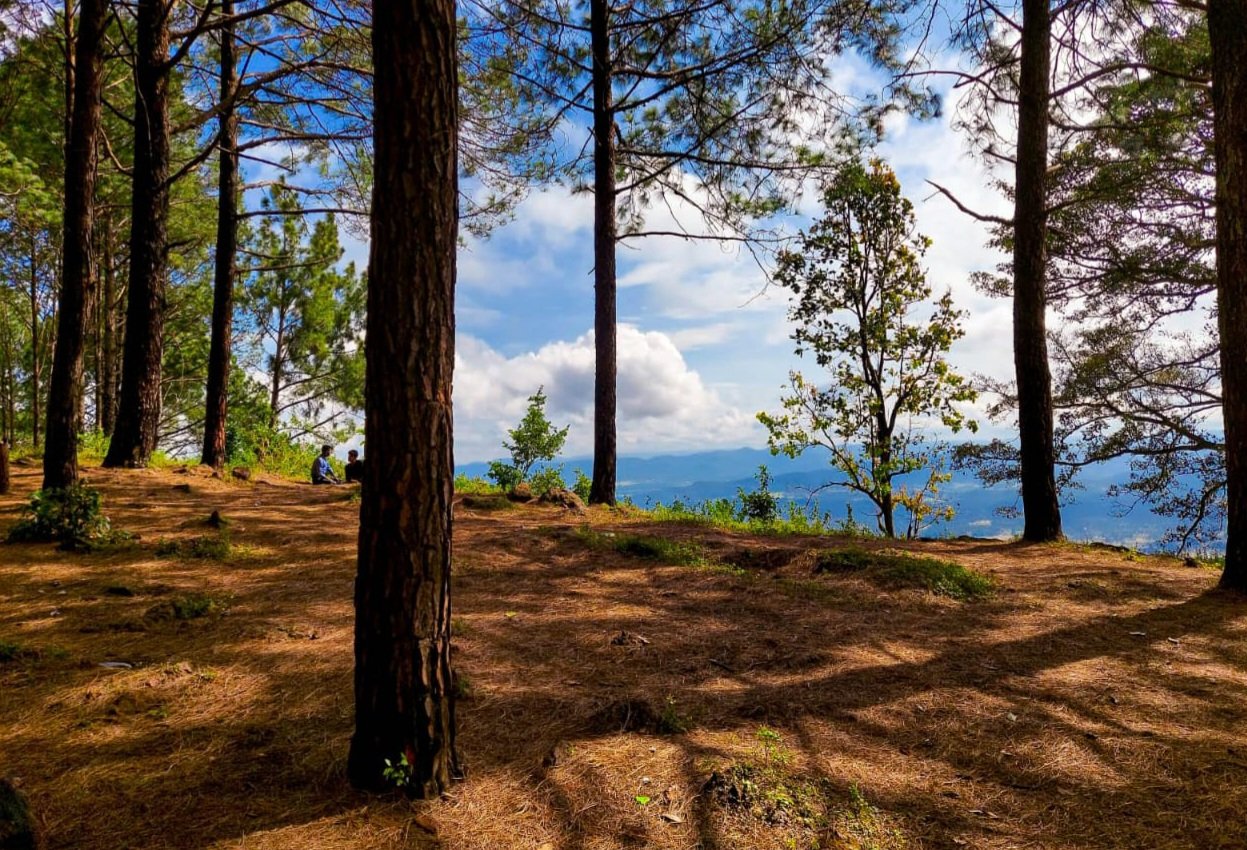
Jharkhand, often referred to as the “Land of Forests,” is gradually emerging as one of India’s fastest-growing tourism destinations. Blessed with dense forests, majestic waterfalls, wildlife sanctuaries, tribal heritage, spiritual sites, adventure destinations, and a rich mining history, the state has witnessed an unprecedented rise in tourist arrivals over the past few years.
According to official government figures, around 5.85 crore tourist visits were recorded in Jharkhand, reflecting the state’s growing popularity among domestic and international travelers. The remarkable increase has sparked an important question among policymakers, investors, and industry experts: Can tourism become Jharkhand’s next major economic engine alongside mining, steel, and manufacturing?
With the state government introducing new tourism policies, encouraging private investment, promoting eco-tourism, expanding homestays, and improving connectivity, tourism is no longer viewed merely as a recreational sector. It is increasingly becoming a strategic pillar for employment generation, rural development, cultural preservation, and sustainable economic growth.
Tourism Growth: A New Chapter for Jharkhand
For decades, Jharkhand’s economy has primarily depended on coal mining, steel production, power generation, and heavy industries. While these sectors continue to remain the backbone of the state’s economy, tourism has quietly emerged as a promising growth driver.
The surge to 5.85 crore tourist visits indicates that travelers are increasingly discovering Jharkhand’s natural beauty, spiritual heritage, wildlife, and adventure opportunities.
Popular destinations attracting visitors include:
- Netarhat – The Queen of Chotanagpur
- Betla National Park
- Dassam Falls
- Hundru Falls
- Jonha Falls
- Patratu Valley
- Deoghar (Baidyanath Dham)
- Parasnath Hills
- Dalma Wildlife Sanctuary
- Tagore Hill
- Jubilee Park
- Hirni Falls
- Lodh Falls
Religious tourism continues to dominate visitor numbers, while eco-tourism and adventure tourism are witnessing steady growth among younger travelers.
Government Measures Driving Tourism Growth
Recognizing tourism as a high-potential sector, the Jharkhand Government has introduced several initiatives aimed at improving infrastructure, attracting private investment, and creating employment opportunities.
Some key measures include:
Jharkhand Tourism Policy
The state has been actively encouraging investment in:
- Hotels
- Resorts
- Wellness tourism
- Adventure tourism
- Eco-tourism
- Heritage tourism
- Tribal tourism
- Rural tourism
Investors are being offered incentives, easier approvals, and support for tourism-related infrastructure.
Homestay Promotion
One of the government’s most significant initiatives is the promotion of homestays, particularly in rural and tribal regions.
The objectives include:
- Providing additional income to rural families
- Encouraging community-based tourism
- Preserving local culture and traditions
- Promoting authentic travel experiences
- Reducing migration from villages
Homestays also help distribute tourism income beyond major cities and tourist hotspots.
Infrastructure Development
The government is investing in:
- Better roads
- Improved highways
- Tourist amenities
- Parking facilities
- Public toilets
- Signage systems
- Viewpoints
- Digital information centres
- Safety infrastructure
Improved connectivity has made many previously remote destinations more accessible.
Hotel Industry Witnessing Fresh Investment
The rise in tourist arrivals has encouraged investment in hospitality.
Cities like Ranchi, Deoghar, Jamshedpur, Dhanbad, and tourist destinations such as Netarhat and Betla are witnessing increased demand for:
- Budget hotels
- Mid-range hotels
- Luxury resorts
- Eco-resorts
- Boutique hotels
- Wellness retreats
Private hospitality groups are also exploring opportunities to establish branded properties in emerging tourism destinations.
Growth in hotel infrastructure not only enhances visitor experiences but also generates direct and indirect employment.
Restaurants and Local Food Businesses Set to Benefit
A thriving tourism industry naturally boosts the food and beverage sector.
As tourist arrivals increase, demand rises for:
- Restaurants
- Cafés
- Local eateries
- Tribal cuisine experiences
- Food courts
- Highway restaurants
Local entrepreneurs can capitalize on the growing interest in traditional Jharkhand cuisine such as:
- Dhuska
- Rugra
- Chilka Roti
- Handia (where culturally appropriate)
- Bamboo shoot dishes
- Mahua-based traditional products
Food tourism itself has become an important attraction across India, offering Jharkhand an opportunity to showcase its unique culinary heritage.
Homestays: A Game-Changer for Rural Economy
Unlike large hotels concentrated in cities, homestays enable tourism benefits to reach villages.
Families operating homestays can generate income through:
- Accommodation
- Home-cooked meals
- Cultural performances
- Village tours
- Handicraft sales
- Farming experiences
- Nature walks
This decentralized tourism model encourages inclusive economic development and supports rural livelihoods.
Employment Opportunities Across Multiple Sectors
Tourism is among the world’s largest employment generators.
Every increase in tourist arrivals creates demand across numerous sectors.
Potential employment opportunities include:
Direct Jobs
- Hotel managers
- Receptionists
- Tour guides
- Drivers
- Housekeeping staff
- Travel consultants
- Adventure instructors
- Wildlife guides
- Event coordinators
Indirect Jobs
- Taxi operators
- Restaurant workers
- Local artisans
- Photographers
- Farmers supplying hotels
- Construction workers
- Handicraft sellers
- Transport companies
Thousands of young people can find livelihoods without migrating to larger metropolitan cities.
Interesting Reads
Jharkhand showcases tourism investment potential at national stakeholders’ consultation
Benisagar: Jharkhand’s Forgotten Ancient City That Could Transform Heritage Tourism in East India
Tribal Tourism: Preserving Heritage While Creating Income
Jharkhand possesses one of India’s richest tribal cultures.
Tourism offers opportunities to promote:
- Traditional dance
- Tribal festivals
- Indigenous crafts
- Handloom products
- Folk music
- Local architecture
- Tribal cuisine
Community-led tourism ensures that cultural traditions are preserved while generating sustainable income.
Eco-Tourism: Balancing Growth with Conservation
Jharkhand’s forests, wildlife, rivers, and waterfalls make eco-tourism one of its strongest assets.
Potential eco-tourism activities include:
- Jungle safaris
- Bird watching
- Nature photography
- Trekking
- Camping
- Cycling trails
- River tourism
- Forest interpretation centres
Properly managed eco-tourism can finance conservation while creating employment.
Environmental Challenges
Rapid tourism growth also presents environmental risks.
Major concerns include:
- Plastic waste
- Deforestation
- Water pollution
- Traffic congestion
- Noise pollution
- Wildlife disturbance
- Overcrowding
- Pressure on natural resources
Popular waterfalls and forest areas often experience littering during peak seasons.
Sustainable Tourism Measures
To minimize environmental impacts, experts recommend:
- Plastic-free tourist destinations
- Waste segregation
- Eco-friendly accommodations
- Solar-powered tourism facilities
- Rainwater harvesting
- Visitor carrying capacity limits
- Strict environmental regulations
- Community participation
- Forest conservation
- Responsible tourism awareness
Sustainability will be critical to ensuring long-term tourism growth.
Digital Transformation of Tourism
Technology is increasingly shaping the travel experience.
The government and tourism stakeholders are focusing on:
- Online bookings
- Digital tourist guides
- QR-based information systems
- Virtual destination tours
- Digital maps
- Mobile tourism applications
- Online hotel reservations
- Digital payment systems
These initiatives improve convenience while making Jharkhand more competitive with other tourist destinations.
Business Opportunities Beyond Hotels
Tourism creates demand for numerous small businesses.
Investment opportunities include:
- Travel agencies
- Adventure tourism companies
- Eco-resorts
- Camping operators
- Photography services
- Local handicraft stores
- Souvenir shops
- Wellness centres
- Bicycle rentals
- Electric vehicle rentals
- Event management companies
Local entrepreneurs stand to benefit significantly as visitor numbers increase.
Challenges That Must Be Addressed
Despite impressive growth, several issues remain.
These include:
- Limited international marketing
- Seasonal tourism
- Skill shortages
- Last-mile connectivity
- Inadequate public transport
- Safety perception
- Infrastructure gaps
- Limited luxury accommodations
- Waste management
Addressing these challenges will determine whether tourism can become a long-term economic pillar.
Can Tourism Overtake Mining?
Mining will continue to remain the largest contributor to Jharkhand’s economy for the foreseeable future.
However, tourism offers advantages that mining cannot:
- Employment-intensive
- Environmentally sustainable (when managed responsibly)
- Inclusive rural development
- Supports women entrepreneurs
- Preserves culture
- Encourages MSMEs
- Generates recurring local income
Rather than replacing mining, tourism has the potential to emerge as Jharkhand’s second major economic engine, diversifying the state’s economy and making it more resilient.
The Road Ahead
With 5.85 crore tourist visits, Jharkhand has demonstrated that it possesses the natural, cultural, and spiritual assets needed to become a major tourism destination in India. The state’s waterfalls, forests, wildlife, tribal heritage, and pilgrimage centres provide a strong foundation for sustained growth.
If the government continues to invest in infrastructure, strengthen the hospitality sector, promote homestays, encourage responsible tourism, and ensure environmental conservation, tourism could transform the state’s economic landscape over the next decade.
For Jharkhand, the future lies not only beneath the ground in its rich mineral reserves but also above it—in its forests, hills, rivers, heritage, and people. A balanced strategy that combines industrial development with sustainable tourism can create new livelihoods, attract investment, empower local communities, and position Jharkhand as one of India’s most dynamic tourism economies.
