
From an ancient temple complex and archaeological treasures to government-backed tourism development, Benisagar is emerging as one of Jharkhand’s most significant yet least explored historical destinations.
Introduction
When people think of India’s great archaeological sites, names like Sanchi, Nalanda, Hampi, Dholavira, and Khajuraho usually dominate travel itineraries. Hidden deep within the lush landscapes of Jharkhand, however, lies a remarkable historical treasure that is slowly reclaiming its place on India’s heritage map—Benisagar.
Located in West Singhbhum district, Benisagar is one of Jharkhand’s most important archaeological sites, preserving the remains of an ancient settlement believed to have flourished between the 5th and 8th centuries CE. The site is renowned for its ancient temple ruins, sculptural remains, inscriptions, pottery, coins, and other archaeological discoveries that provide valuable insight into eastern India’s early urban civilization.
Although still relatively unknown among mainstream tourists, Benisagar has become increasingly important for archaeologists, historians, conservationists, and policymakers. Recent government initiatives aimed at heritage conservation, tourism infrastructure, and archaeological research are bringing renewed attention to this forgotten destination.
Today, Benisagar represents much more than a historical excavation site—it symbolizes Jharkhand’s untapped cultural tourism potential.
Where is Benisagar Located?
Benisagar is situated in West Singhbhum district of Jharkhand, surrounded by forests, rural settlements, and the scenic landscapes that characterize southern Jharkhand.
The archaeological site lies close to Chaibasa and is well connected by road from major cities including:
- Chaibasa
- Jamshedpur
- Ranchi
- Rourkela
The peaceful surroundings add to its charm, making it an attractive destination for travelers seeking history away from crowded tourist circuits.
The History of Benisagar
The history of Benisagar stretches back nearly 1,500 years.
Historians believe the region once served as an important administrative and religious centre under regional dynasties that ruled eastern India.
The name “Benisagar” itself is believed to derive from a large ancient water reservoir (sagar), around which settlements gradually developed.
Unlike many ancient Indian cities that were continuously inhabited, Benisagar eventually declined, leaving behind buried monuments and forgotten ruins that remained hidden for centuries beneath layers of soil.
Only systematic archaeological excavations revealed the true importance of this ancient civilization.
Archaeological Importance of Benisagar
Benisagar is regarded as one of Jharkhand’s richest archaeological sites.
Excavations conducted over several decades have uncovered evidence of an advanced settlement with sophisticated planning and remarkable artistic achievements.
Major discoveries include:
- Ancient temples
- Stone sculptures
- Brick structures
- Pottery
- Iron objects
- Terracotta artefacts
- Coins
- Religious icons
- Pillars
- Inscribed stones
These discoveries indicate that Benisagar was once an active cultural and commercial centre.
The diversity of findings also suggests interactions with neighbouring kingdoms and trade networks across eastern India.
Benisagar and the Rise of Heritage Tourism in Jharkhand
Over the last decade, Jharkhand has gradually shifted its tourism strategy from being known only for waterfalls, wildlife sanctuaries, and pilgrimage sites to highlighting its rich historical and archaeological heritage. Benisagar has emerged as one of the key destinations in this transformation.
The state government has increasingly recognized that heritage tourism has the potential to attract not only domestic travelers but also archaeologists, historians, architecture enthusiasts, and international researchers. Unlike conventional tourist attractions, archaeological sites such as Benisagar provide educational value while preserving the cultural identity of the region.
As awareness grows through tourism campaigns, travel blogs, documentaries, and academic research, Benisagar is beginning to receive the attention it deserves as one of eastern India’s hidden historical gems.
Ancient Temple Complex
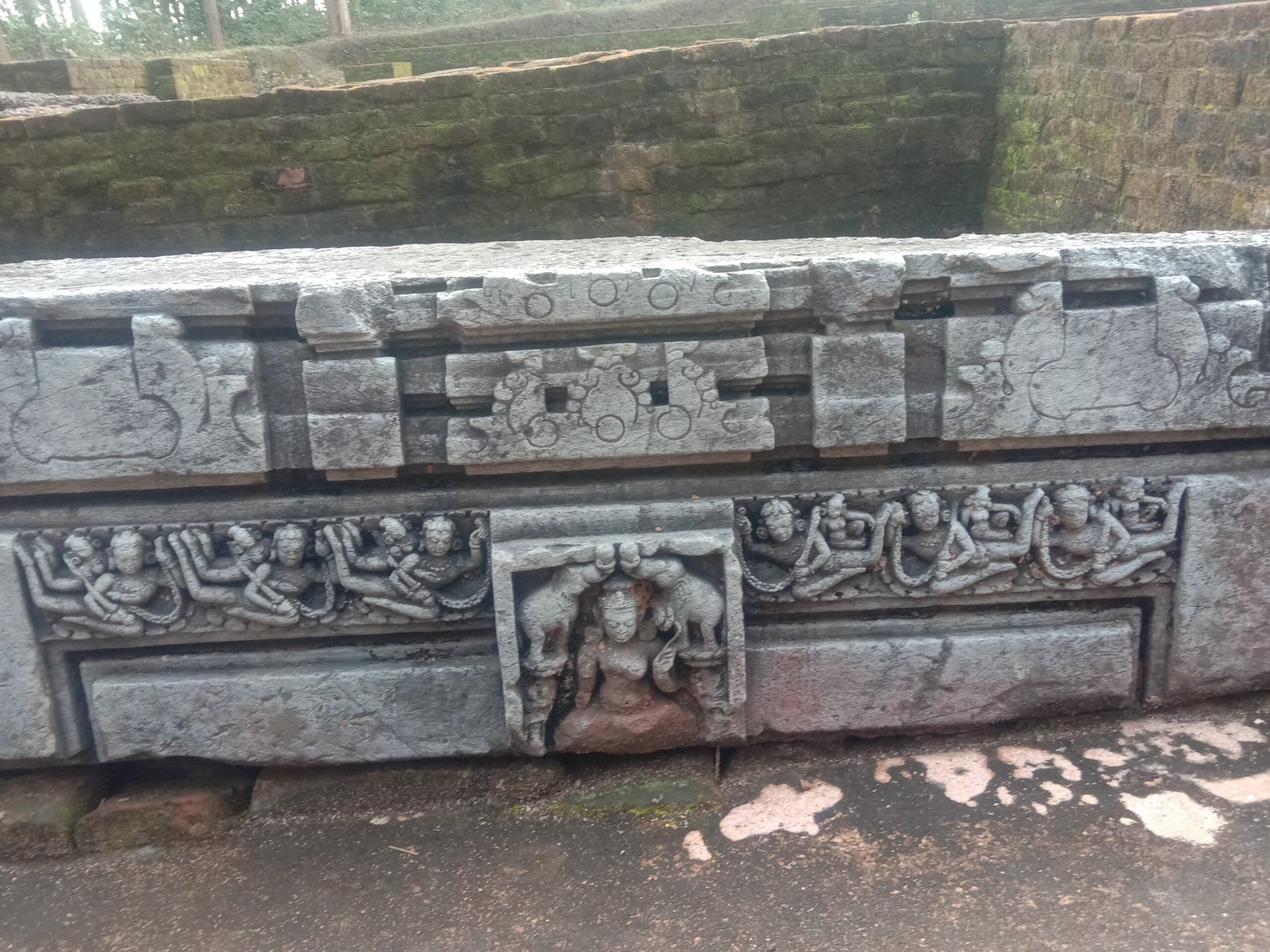
Perhaps the greatest attraction at Benisagar is its excavated temple complex.
Archaeologists have identified the remains of temples dedicated primarily to Hindu deities.
The architectural style displays influences seen across early medieval eastern India.
Several recovered sculptures depict:
- Lord Shiva
- Goddess Durga
- Lord Vishnu
- Ganesha
- Surya
- Yakshas
- Decorative motifs
The detailed carvings demonstrate an impressive level of craftsmanship.
Historians believe these temples once formed a thriving religious complex attracting pilgrims from surrounding regions.
A Window into Ancient Urban Planning
One of the most fascinating aspects of Benisagar is evidence of planned settlement patterns.
Excavations reveal:
- Brick-built platforms
- Drainage arrangements
- Structural foundations
- Organized habitation zones
- Water management systems
These findings indicate that Benisagar was not merely a religious centre but also an organized urban settlement.
Its layout reflects considerable knowledge of engineering and civic planning for its time.
Artefacts That Reveal Daily Life
Thousands of artefacts discovered during excavations help reconstruct everyday life in ancient Benisagar.
Researchers have recovered:
Pottery
Decorated ceramic vessels indicate domestic use, food storage, and ritual practices.
Iron Tools
Agricultural and household tools reveal technological advancement.
Terracotta Objects
These include figurines, ornaments, toys, and ritual objects.
Coins
Coins indicate commercial activity and regional trade.
Sculptures
Beautifully carved idols reveal the religious diversity of the settlement.
Together, these discoveries provide valuable insight into the economy, craftsmanship, social organization, and cultural practices of ancient eastern India.
Interesting Reads
Religious Significance
Benisagar was an important religious centre.
Archaeological evidence suggests the coexistence of Shaivism, Vaishnavism, and Shaktism.
The recovered idols represent multiple Hindu traditions, highlighting religious harmony within the settlement.
Researchers believe festivals, rituals, and temple activities formed an important part of community life.
The Massive Water Tank
The large water reservoir after which Benisagar is named remains one of the site’s defining features.
Ancient reservoirs served multiple purposes:
- Drinking water
- Irrigation
- Religious ceremonies
- Community gatherings
- Rainwater harvesting
Its sophisticated construction demonstrates the engineering capabilities of ancient builders.
Government Conservation Efforts
Recognizing Benisagar’s historical importance, multiple government agencies have taken steps toward preserving the site.
Key initiatives include:
Archaeological Excavations
Further scientific excavations continue to uncover buried structures.
Conservation Work
Ancient temple remains and sculptures are being stabilized to prevent deterioration.
Documentation
Artefacts are carefully catalogued and preserved for future research.
Heritage Protection
The site receives legal protection to prevent encroachment and damage.
Tourism Development in Recent Years
Jharkhand Tourism has identified Benisagar as one of the state’s priority heritage destinations.
Recent efforts include:
- Improved road connectivity
- Better visitor access
- Tourism promotion
- Heritage awareness campaigns
- Information signage
- Beautification initiatives
- Landscape improvements
Authorities are also exploring integrated tourism circuits connecting Benisagar with nearby cultural and natural attractions.
Archaeological Survey of India and State Initiatives
Although conservation responsibilities involve multiple agencies, archaeological documentation and heritage preservation have become stronger in recent years.
State authorities continue to collaborate with historians, researchers, and tourism experts to preserve the site’s historical authenticity while making it more accessible to visitors.
Educational Importance
Benisagar has become an important destination for educational tourism.
Students studying:
- Archaeology
- Ancient history
- Architecture
- Anthropology
- Heritage conservation
regularly visit the site to understand excavation techniques and ancient civilization.
Universities across Jharkhand increasingly recognize Benisagar as an important field-study location.
Opportunities for Heritage Tourism
Benisagar offers tremendous tourism potential.
Visitors interested in:
- Ancient history
- Archaeology
- Temple architecture
- Photography
- Rural tourism
- Heritage walks
- Educational excursions
can all find something unique here.
Unlike crowded historical monuments elsewhere, Benisagar offers a peaceful and authentic experience.
Economic Benefits for Local Communities
Heritage tourism has the potential to improve livelihoods in surrounding villages.
Growth in tourism can generate employment through:
- Local guides
- Homestays
- Traditional handicrafts
- Restaurants
- Transport services
- Cultural performances
This creates sustainable economic opportunities while encouraging heritage preservation.
Challenges That Remain
Despite recent improvements, Benisagar still faces several challenges:
- Limited national awareness
- Inadequate tourist facilities
- Need for interpretation centres
- Better signage
- Greater digital promotion
- Conservation funding
- Visitor management
Addressing these issues could significantly enhance its tourism potential.
Why Benisagar Matters Today
Benisagar is more than an archaeological site.
It represents:
- Jharkhand’s ancient history
- India’s cultural diversity
- Early urban civilization
- Temple architecture
- Religious coexistence
- Scientific archaeological research
Its preservation contributes not only to regional identity but also to India’s broader historical narrative.
Future Prospects
Experts believe Benisagar could eventually become one of eastern India’s leading heritage tourism destinations if sustained conservation and infrastructure development continue.
Future possibilities include:
- Archaeological museum
- Digital interpretation centre
- Heritage walking trails
- Light-and-sound shows
- Cultural festivals
- Academic research hub
- International archaeological collaborations
Such initiatives would significantly increase visitor interest while preserving the site’s authenticity.
Visitor Information
Best Time to Visit: October to March
Nearest City: Chaibasa
Nearest Major Airport: Ranchi Airport
Nearest Railway Stations: Chaibasa and Tatanagar (Jamshedpur)
Ideal Trip Duration: Half-day to full-day heritage visit
Nearby Attractions:
- Saranda Forest
- Hirni Waterfall
- Lupungutu Lake
- Tribal cultural villages
- Other heritage sites in West Singhbhum
Conclusion
Benisagar stands as one of Jharkhand’s most remarkable yet underappreciated archaeological treasures. Hidden beneath centuries of history, its ancient temples, sophisticated urban remains, sculptures, pottery, inscriptions, and water management systems paint a vivid picture of a flourishing civilization that once thrived in eastern India.
With growing government efforts toward conservation, improved tourism infrastructure, and increased academic interest, Benisagar is gradually emerging from obscurity. Yet much remains to be done to place it alongside India’s iconic heritage destinations.
For travelers seeking authentic history, archaeologists searching for clues about India’s past, and heritage enthusiasts looking beyond the usual tourist trail, Benisagar offers an unforgettable journey into one of the country’s forgotten civilizations. As awareness continues to grow, this ancient settlement has the potential to become not only a cornerstone of Jharkhand’s tourism industry but also a nationally recognized symbol of India’s rich archaeological legacy.
