A Degree Opens Doors, But Skills Build Careers
For decades, earning a college degree was considered the most important milestone for securing a successful career. While academic qualifications remain valuable, the job market in 2026 has evolved significantly. Employers are no longer looking only at what degree a candidate holds—they want to know what the candidate can actually do.
Today’s recruiters increasingly prioritize practical skills, real-world experience, and the ability to solve problems over academic credentials alone. Whether you are a recent graduate, a college student, or a working professional planning a career change, building practical skills has become essential for long-term success.
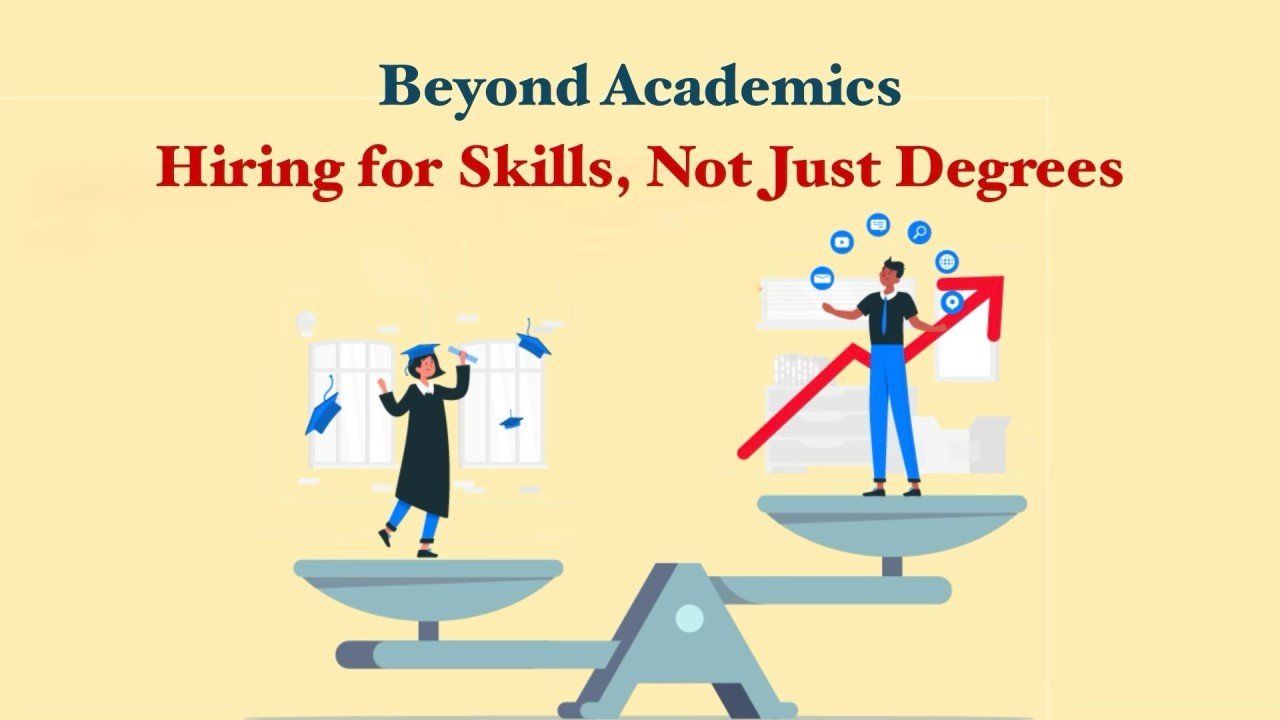
A degree may help you qualify for an interview, but your skills are often what determine whether you receive the job offer.
Why the Hiring Process Has Changed
Rapid technological advancements, Artificial Intelligence (AI), automation, and digital transformation have changed workplace expectations across almost every industry. Companies need employees who can adapt quickly, learn continuously, and contribute from the very beginning.
Many employers have realized that academic knowledge alone does not always translate into workplace readiness. As a result, recruitment teams increasingly evaluate candidates based on their projects, internships, certifications, portfolios, and practical achievements.
Instead of asking, “Which university did you attend?” recruiters are now asking questions such as:
- What projects have you completed?
- What problems have you solved?
- Which tools and technologies can you use?
- Have you worked in a real-world environment?
- Can you demonstrate your skills?
This shift has created new opportunities for candidates who actively invest in learning beyond the classroom.
Industry Certifications Add Credibility
Professional certifications have become an effective way to validate your knowledge and demonstrate your commitment to continuous learning.
Unlike traditional degrees that often take several years to complete, certifications focus on specific skills that are immediately relevant to industry requirements.
Depending on your career goals, certifications can help you gain expertise in areas such as:
- Artificial Intelligence
- Cloud Computing
- Cybersecurity
- Data Analytics
- Digital Marketing
- Project Management
- Software Development
- Networking
- Finance
- Human Resources
Recruiters often view recognized certifications as evidence that a candidate is proactive and willing to stay updated with industry trends.
While certifications alone cannot replace experience, they significantly strengthen a résumé when combined with practical work.
Interesting Reads
Degrees vs Skills in 2026: What Actually Gets You Hired in Design Careers?
Learn AI Instead of Competing Against It: The Smartest Career Move You Can Make in 2026
Hands-On Projects Demonstrate Your Abilities
One of the best ways to stand out during recruitment is by building real projects.
Projects allow employers to see how you apply theoretical knowledge to practical situations.
For example:
- Software developers can create websites, mobile applications, or automation tools.
- Data analysts can develop dashboards and business reports.
- Graphic designers can design branding materials and marketing campaigns.
- Mechanical engineers can build prototypes or simulation models.
- Electronics engineers can develop IoT or embedded system projects.
- Marketing students can create digital campaigns for local businesses.
Projects also help candidates improve problem-solving skills while building confidence.
A strong portfolio containing completed projects often carries more weight than a list of classroom subjects.
Internships Provide Real Workplace Experience
Internships continue to be one of the most valuable stepping stones for students and fresh graduates.
They provide exposure to:
- Professional communication
- Teamwork
- Workplace culture
- Client interaction
- Time management
- Industry software
- Business operations
Even short-term internships help candidates understand employer expectations while allowing them to apply classroom learning in practical environments.
Many organizations also use internships as a pipeline for full-time recruitment.
Students who perform well during internships frequently receive pre-placement offers after graduation.
Freelancing Builds Both Skills and Confidence
Freelancing is no longer limited to experienced professionals.
Students and fresh graduates now work with clients across the world by offering services such as:
- Content writing
- Graphic design
- Video editing
- Website development
- Digital marketing
- Virtual assistance
- Programming
- Data entry
- Translation
- Social media management
Freelancing helps individuals:
- Build professional portfolios.
- Earn practical experience.
- Develop communication skills.
- Understand client expectations.
- Generate income while studying.
Employers often appreciate freelance experience because it demonstrates initiative, responsibility, and the ability to work independently.
Problem-Solving Is the Most Valuable Workplace Skill
Technical skills may help candidates secure interviews, but problem-solving abilities often determine career growth.
Every organization faces challenges involving customers, technology, operations, finance, and management.
Employees who can identify problems, analyze situations, and recommend effective solutions become valuable assets.
Problem-solving includes:
- Critical thinking
- Logical reasoning
- Decision-making
- Creativity
- Analytical skills
- Adaptability
These abilities remain valuable across every profession and are difficult to automate.
Soft Skills Matter More Than Ever
Practical success is not determined by technical expertise alone.
Recruiters consistently rank soft skills among their top hiring priorities.
Important workplace skills include:
- Communication
- Leadership
- Team collaboration
- Emotional intelligence
- Time management
- Adaptability
- Conflict resolution
- Professional ethics
Candidates who combine technical knowledge with strong interpersonal skills often progress more quickly into leadership positions.
Build a Portfolio Instead of Only a Résumé
A résumé tells employers what you have done.
A portfolio shows them.
Depending on your profession, a portfolio may include:
- Software projects
- Design work
- Research papers
- Writing samples
- Marketing campaigns
- Engineering models
- Videos
- Business presentations
- Photography
- Case studies
An impressive portfolio demonstrates practical competence and builds credibility during interviews.
Continuous Learning Is Essential
The workplace is evolving faster than ever.
Technologies that are popular today may change within a few years.
Successful professionals therefore develop the habit of continuous learning.
You can stay updated by:
- Reading industry news.
- Taking online courses.
- Attending workshops.
- Joining professional communities.
- Participating in hackathons and competitions.
- Following industry leaders.
Learning should become a lifelong process rather than something that ends after graduation.
A Roadmap for Students
Students preparing for careers can follow a simple roadmap:
First Year
- Build communication skills.
- Learn basic digital tools.
- Explore different career options.
Second Year
- Complete beginner certifications.
- Start personal projects.
- Join student clubs and competitions.
Third Year
- Secure internships.
- Build a professional portfolio.
- Learn advanced technical skills.
Final Year
- Complete industry-relevant certifications.
- Strengthen interview preparation.
- Expand professional networking.
- Apply for jobs with confidence.
This structured approach helps students graduate with both qualifications and practical experience.
The Future Belongs to Skilled Professionals
The demand for skilled professionals continues to grow across sectors including Artificial Intelligence, healthcare, renewable energy, finance, manufacturing, education, logistics, and information technology.
Employers increasingly value candidates who demonstrate initiative, adaptability, and a willingness to learn.
Degrees remain important, but they now represent only one part of a candidate’s profile.
The professionals who succeed in 2026 will be those who continuously upgrade their skills, gain practical experience, and embrace lifelong learning.
Conclusion
Higher education remains an important foundation, but it is no longer enough on its own.
Industry certifications, hands-on projects, internships, freelancing, and strong problem-solving abilities have become essential ingredients for career success.
Students and professionals who invest in practical learning will be better prepared for a rapidly changing workplace where adaptability and continuous improvement matter more than ever.
The message for today’s job seekers is clear: earn your degree, but don’t stop there. Build your skills, apply your knowledge, and create experiences that demonstrate your abilities.
In today’s competitive job market, your skills are what transform academic qualifications into meaningful career opportunities.
